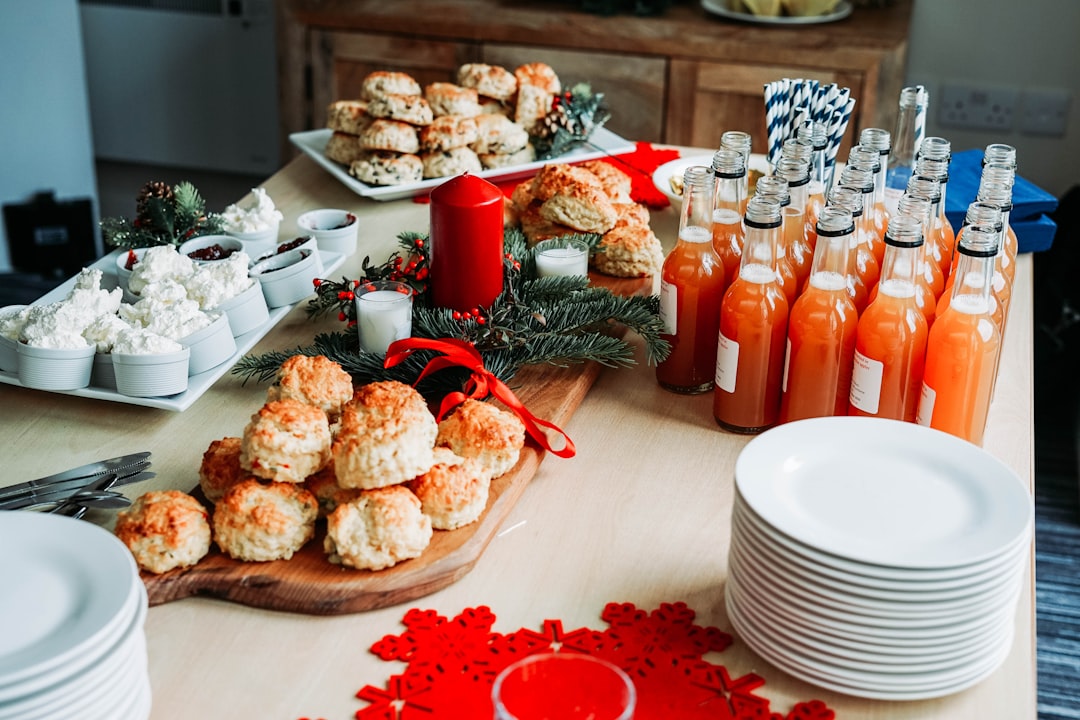
The Art of Calm Holiday Preparation
Holiday gatherings bring joy, but managing the logistics often feels overwhelming. Preparation serves as the foundation for a peaceful event where the host actually enjoys the festivities alongside guests. Successful hosting relies on breaking down massive tasks into manageable milestones starting weeks before the actual event. This comprehensive guide provides a structured timeline to ensure every detail remains under control, allowing for a relaxed atmosphere throughout the entire celebration.
Many hosts experience anxiety because they wait until the final hours to begin intense labor. Instead, consider adopting a strategic calendar that prioritizes long-term planning. According to research by the American Psychological Association, managing time effectively remains a key factor in reducing holiday stress levels. This approach transforms chaotic last-minute scrambles into methodical steps that preserve your energy and focus. Whether organizing an intimate dinner or a larger open house, staying ahead keeps the spirit of the season front and center.
Planning early allows space for spontaneity and connection when the big day finally arrives. By delegating specific chores and utilizing time-saving techniques, the burden on the host decreases significantly. This article will walk through critical prep steps, from inventory management to the final pre-guest arrival walkthrough. Let us look at how to master the logistics, making sure the focus remains on friends, family, and shared memories rather than endless kitchen work.
Three Weeks Out: Foundations and Invitations
The following video provides a useful visual overview of this topic and is worth watching alongside the information in this article.
Early planning starts with defining the parameters of the gathering. Establish the guest list early, as this influences everything from menu size to seating arrangements. Once the headcount is clear, send out digital or physical invitations to help people secure the date on their calendars. Collecting RSVPs early prevents uncertainty and allows for more accurate food calculations later on.
This remains the ideal window to consider the overall theme and flow of the event. If the plan includes interactive elements, perhaps look into how to plan a Christmas cookie exchange party to add a festive activity that keeps guests engaged without requiring extra culinary skill. Organizing these activities early helps identify what supplies to purchase during regular grocery trips. Many hosts choose to purchase non-perishables now to avoid crowded aisles during the final week of December.
Check your essential equipment during this phase, including linens, glassware, and serving dishes. According to a report from the University of Minnesota Extension regarding kitchen safety, having enough workspace for preparation prevents accidents and contamination. If you find a deficit in serving platters, you have ample time to borrow or purchase replacements. A quick inventory check saves significant stress when you realize a favorite platter is missing or broken. Preparing your physical space early ensures you have time to resolve any logistical gaps before the guests arrive at your door.
Two Weeks Out: Menus and Logistics
Once the guest list is finalized, turn your attention to the menu. Select dishes that allow for batch preparation or freezing to minimize the workload on the day of the party. Incorporating easy holiday appetizers that can be made ahead provides a much-needed buffer for your schedule. By choosing items that store well, you free up your oven and refrigerator space for the main courses closer to the time of service.
Consider the diverse needs of your guests, including dietary restrictions or preferences, to ensure everyone feels included. When planning beverages, you might explore creative non-alcoholic holiday mocktail recipes to offer sophisticated, inclusive options. Planning the beverage menu at this stage allows you to calculate quantities accurately. Following the guidance of the U.S. Dietary Guidelines for Americans helps you balance flavorful choices with nutritional awareness for large groups.
Write out a comprehensive shopping list that categorizes ingredients by section, such as produce, dairy, and pantry goods. Review your pantry to identify what you already own. Keeping a tidy, categorized list makes your time at the store much more efficient. This prevents unnecessary repeat trips to the market, which represent one of the most common sources of frustration for holiday hosts. Spending time on organization now directly translates to fewer headaches when the deadline approaches.
One Week Out: Cleaning and Deep Prep
With the main menu decided, focus on your home environment. Tackle a deep clean of the primary hosting areas, specifically the guest bathroom, coat closet, and living space. It feels much more manageable to do this now rather than the day before the event. A clean home provides a blank canvas for any festive decorations you might want to add.
Review your seating and flow within the home to ensure guests can move comfortably. If you lack space, consider rearranging furniture temporarily or setting up a dedicated beverage station in a different room to reduce congestion near the kitchen. Proper lighting also enhances the mood significantly. Softer illumination fosters a more relaxed, inviting atmosphere for social gatherings.
Check your supply of paper goods, candles, and extra seating. Does everyone have a place to put a drink? Do you have enough hangers for coats? These minor details often get overlooked, yet they significantly impact guest comfort. Taking care of these small tasks now leaves the final week open for culinary preparation and personal relaxation. You will appreciate the extra effort when the night arrives.
Three Days Out: Kitchen Operations
Now is the time to begin the actual food preparation process. Start by prepping long-lead items like sauces, dressings, or doughs that require time to set or marinate. Label everything clearly with the contents and the date to keep your refrigerator organized. This prevents the common problem of forgotten containers taking up valuable space.
Review your final timeline for the day of the party. Work backward from the planned serving time to determine when you need to start cooking specific dishes. According to guidance provided by the CDC on food safety, maintaining proper temperatures during cooling and reheating remains essential for preventing illness. Having a clear, written schedule helps you stay on track without having to keep it all in your head. This document serves as your map for a successful day.
Take one final trip to the store for any remaining fresh items like herbs or specific produce that cannot be bought earlier. Stick to the list to maintain your budget and sanity. By now, the bulk of the heavy work should be behind you. Trust in your preparation and allow yourself time for small breaks throughout the day. Consistency is the secret ingredient to a calm holiday event.
Final Countdown: Day of the Party
On the day of your event, your focus shifts to execution and hospitality. Stick to your written timeline to avoid rushing during the final hour. Start with the most time-consuming tasks in the morning, leaving lighter duties like setting the final touches on tables or lighting candles for right before guests arrive. This keeps your energy fresh and your demeanor calm.
Set up a welcoming entrance for your guests. Clear the entryway, ensure there is adequate space for personal belongings, and perhaps play some festive music to set the mood from the very first moment. According to Library of Congress resources on cultural traditions, music acts as a powerful connector that signals the start of a celebration. Even a simple playlist makes a world of difference in how people perceive the environment.
Finally, take a moment for yourself before anyone arrives. Breathe, pour yourself a drink, and remind yourself that the goal is to enjoy the company of those you love. If something goes wrong, remember that your guests likely will not notice. Focus on the connection, not the perfection. Your warmth matters far more than the placement of a napkin or the temperature of a side dish.
Curating the Sensory Experience
Beyond food and cleanliness, the ambiance of your home dictates the energy of your gathering. To create a truly immersive environment, focus on the sensory trifecta of lighting, scent, and sound. While bright, overhead lights can feel harsh and clinical, layering your lighting using lamps and dimmers creates intimate zones that encourage conversation. Consider placing unscented candles in dining areas, as strong synthetic fragrances can sometimes overwhelm the palate, interfering with the nuanced flavors of your carefully crafted menu.
Acoustics also play a pivotal role in the guest experience. A curated playlist should evolve throughout the evening; start with upbeat, low-volume jazz or acoustic tracks as guests arrive, transitioning into more atmospheric, instrumental festive tunes as the meal commences. Research into environmental psychology suggests that background music can reduce social anxiety by masking awkward silences during lulls in conversation, ensuring your guests feel comfortable and relaxed from the moment they step through your door.
Strategies for Sustainable Hosting
Modern holiday hosting increasingly focuses on minimizing waste without sacrificing elegance. As you plan your inventory, prioritize reusable linens and durable tableware over single-use disposables, which significantly reduce the environmental footprint of your gathering. For larger parties, consider placing clearly marked bins for recycling or composting, as small, considerate actions often inspire guests to be mindful of their own waste. Utilizing local, seasonal ingredients not only ensures peak freshness in your recipes but also supports regional producers, adding a meaningful layer of intentionality to your menu.
Beyond physical waste, consider the sustainability of your own energy. If the cleanup process feels daunting, embrace the “clean as you go” methodology to prevent a mountain of dishes from accumulating at the end of the night. If possible, enlist the help of a trusted friend or professional help for the post-party refresh. By viewing your hosting duties through a sustainable lens – both for the planet and your own mental well-being – you create a more authentic, manageable, and rewarding experience for everyone involved.
Reflecting on the Festive Season
Hosting successful holiday events is a skill honed through practice and preparation. By following a structured timeline and focusing on the needs of your guests, you create a space where magic happens effortlessly. The effort you invest in the preceding weeks acts as a gift to your future self, allowing you to be present during the celebration. Keep your plans simple and authentic to your own style.
As you move forward, remember that the most memorable parties prioritize connection over intricate displays. Flexibility remains a host’s best asset when plans shift unexpectedly. Keep your resources close, maintain your organizational lists, and embrace the chaos that occasionally accompanies festive gatherings. The beauty of the holiday season lies in the ability to bring people together in a shared space.
Take these techniques into your next event and watch how much lighter the entire experience feels. Sharing food and drink with friends remains one of the oldest traditions for a reason. Keep fostering these connections throughout the year, not just during the holidays. Your dedication to creating a welcoming home creates a lasting impact on everyone who walks through your door. Wishing you a calm and joyful season of hosting.
This content is general in nature and does not take into account the reader’s individual circumstances. It should not be considered professional advice.